(
(

 October 30, 2025
Local Tradition: Old Serbian Crafts that Defy Tim
In an era ruled by mass production and shaped by digitalization, there’s a hidden thread pulling us back to our roots – traditional crafts, an art form that resists oblivion. Serbia, a country rich in cultural heritage, is still home to artisans whose hands, even in the digital age, create with soul.
These craftspeople are not just keepers of the past; they are bridges to the future, proving that skill, handwork, and tradition can endure. The Manual Co. workshop, which has been producing fine leather goods for over 40 years using techniques passed down through generations, is one example of how Serbian craftsmanship continues to thrive in a modern context.
From time-honored leatherworking techniques to contemporary products that radiate authenticity and quality, Manual and other guardians of tradition show that love for the craft has no expiration date.
What Are Traditional Crafts? More Than Just a Profession
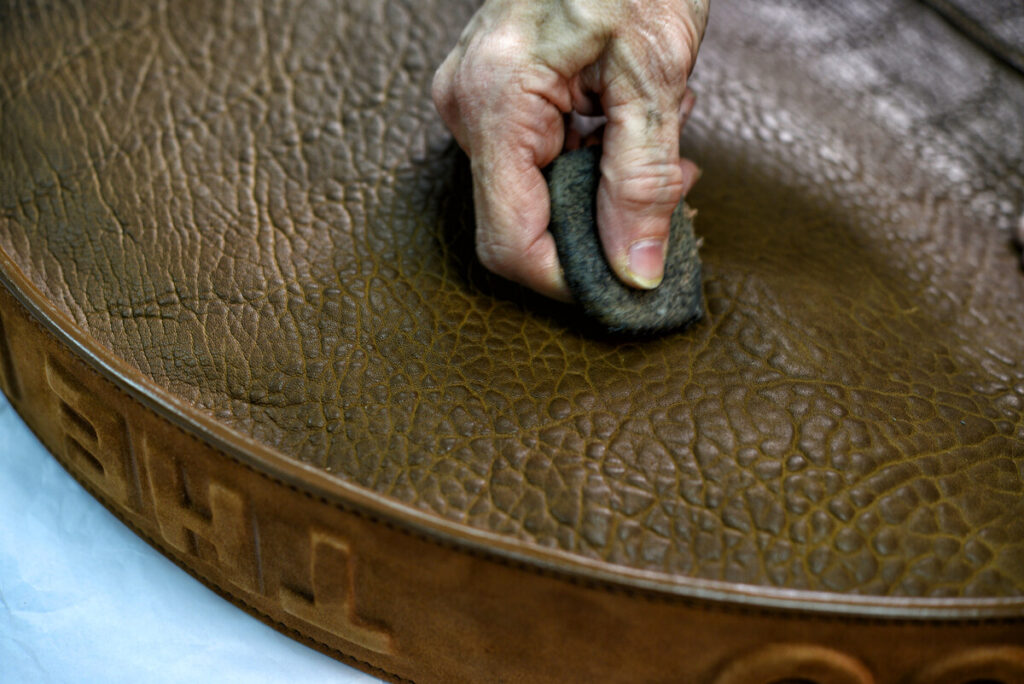
Traditional crafts are age-old skills and trades focused on creating, repairing, or maintaining goods, often precursors to industrial manufacturing. Characterized by handwork, traditional tools, and centuries-old methods, these crafts preserve cultural identity and folk artistry. Many have disappeared due to the advancement of technology and shifting economic and social values.
Yet in today’s world, where everything is one click away, it’s worth asking: how much is something truly worth when it is unique, handmade, and infused with care and love? Serbian traditional crafts are more than just jobs; they are stories of skill, perseverance, and hands shaping heritage across generations. Unlike industrial production, traditional crafts carry what machines cannot – human touch, patience, mastery, and emotion.
Old trade masters never made objects only for utility; they left pieces of themselves in every creation. This same philosophy guides The Manual Co., founded in 1985, where every stitch is infused with dedication and passion. For over four decades, Manual has combined traditional techniques with modern design, crafting leather goods sought after by today’s consumers.
Serbian Traditional Crafts: Heritage Still Alive in the Hands of Artisans
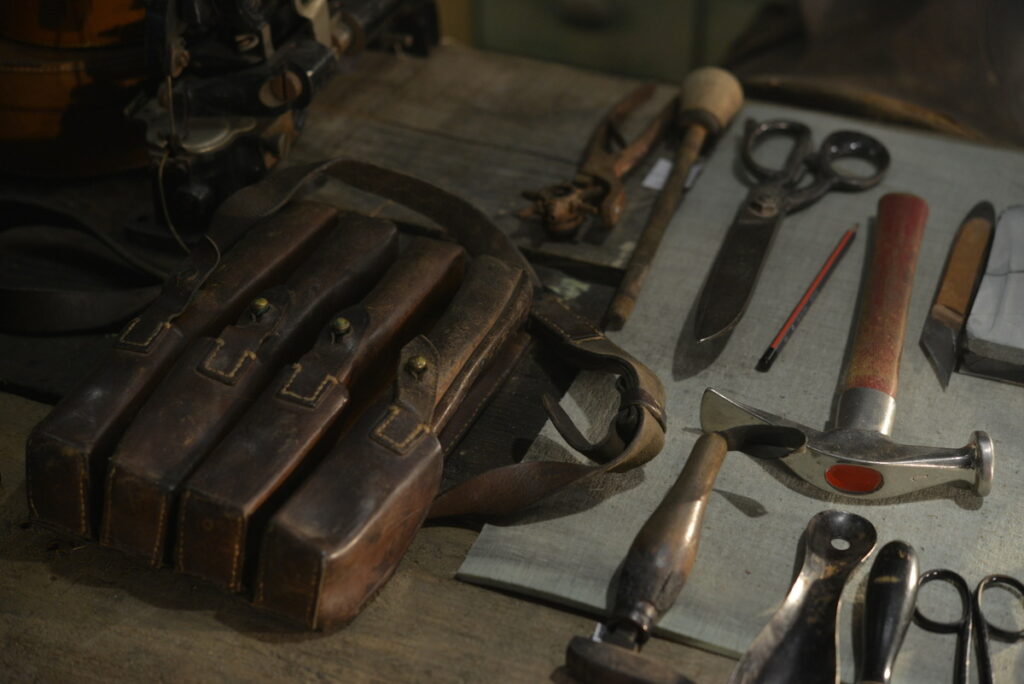
For centuries, Serbia has nurtured a wide range of trades – from blacksmiths and weavers to shoemakers and saddle makers. Each had a vital role in the community. Fortunately, many still endure today. To protect this heritage, Serbia established official regulations that define, certify, and safeguard traditional and artistic crafts. Among them are:
- Pottery and ceramics
- Coppersmithing
- Wheelwrighting
- Cooperage (barrel-making)
- Weaving (carpets, rugs, textiles)
- Tailoring and traditional costume making
- Sharpening and grinding trades
- Leather tanning
- Furriery
- Saddlery and harness making
- Traditional shoemaking
- Woodworking
- Handmade footwear
…and many others rooted in traditional material processing. The goal of these regulations is to ensure these crafts don’t vanish in the shadow of mass production, but instead gain recognition, support, and systemic protection, passing knowledge on to future generations.
In 1995, Manual received an official Certificate for Traditional Crafts from the Serbian Ministry of Culture, becoming one of the first domestic manufacturers formally recognized as a custodian of heritage. This acknowledgment highlights the workshop’s dedication to preserving leathercraft without compromise.
How Do Traditional Crafts Defy Time?
The answer is simple: because they offer what people have always valued and will never go out of style – quality, durability, and emotion. When you buy a handcrafted item made with traditional methods, you are not just buying material goods. You are buying someone’s time, effort, passion, and a piece of a nation’s identity.
In Serbia, old crafts are still nurtured because there’s an understanding that losing them means losing part of cultural identity. Whether it’s a Pirot rug, a pair of opanci (traditional shoes) from Šumadija, or a leather Manual bag from Novi Sad, each product represents local culture and proves that tradition can live within modern design.
The Manual Co. Leather Products: A Lasting Symbol of Tradition & Elegance
Leather is one of humanity’s oldest materials. From early protection against the cold to today’s wide range of accessories and apparel, natural leather has always symbolized resilience. When Siniša Žarin founded The Manual Co. workshop in Novi Sad in 1985, he couldn’t have imagined that his hobby would grow into a brand producing genuine leather products synonymous with the preservation of traditional Serbian craftsmanship.
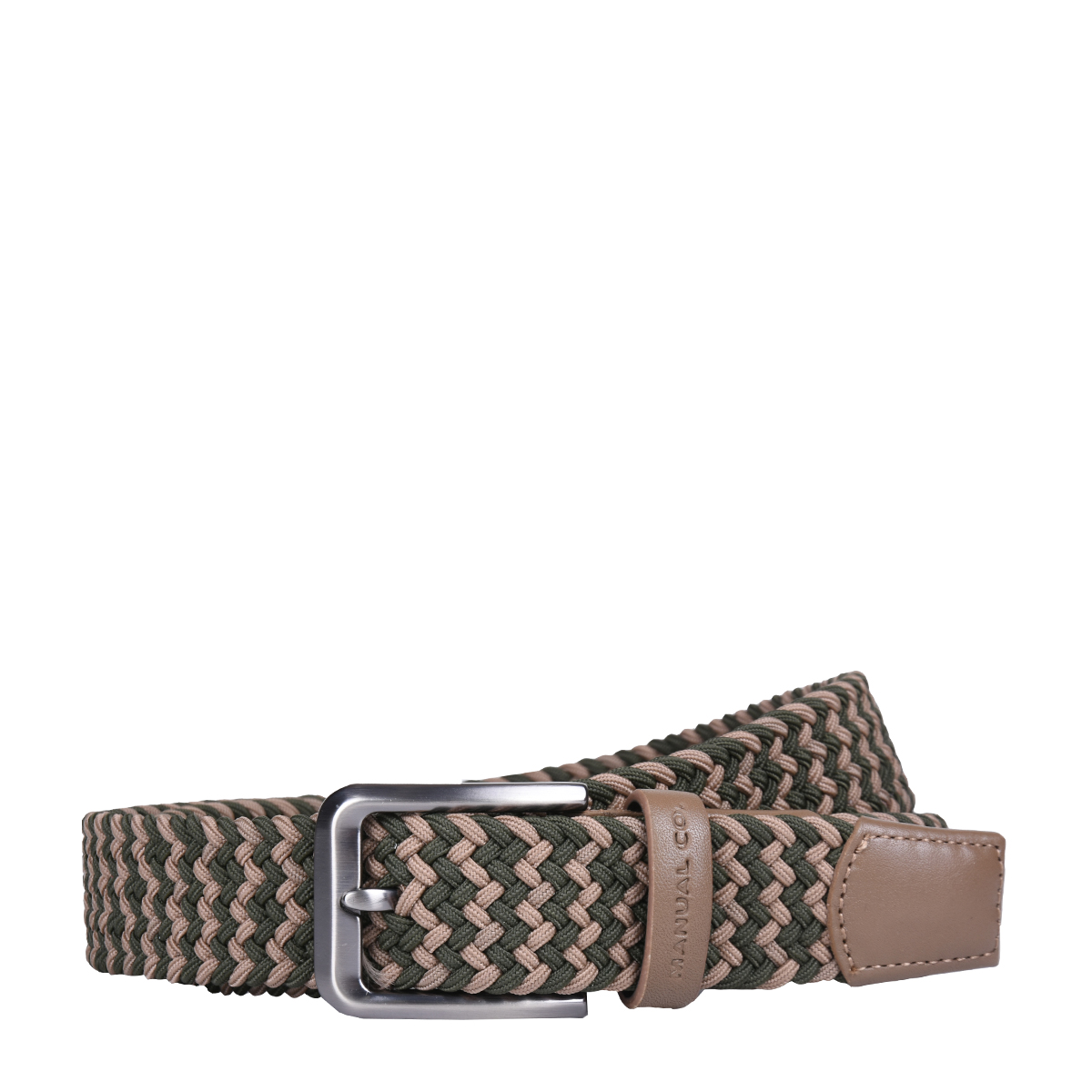
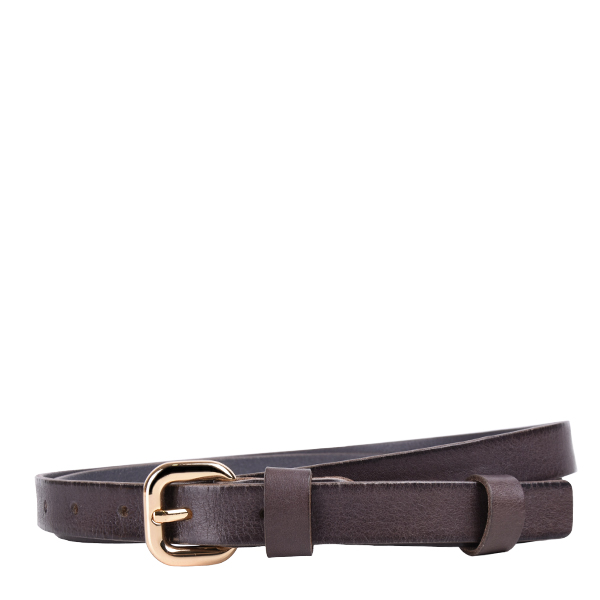
The first product was simple: a leather belt. Yet it embodied love for the craft and natural materials. Forty years later, with over 150 employees, Manual continues to honor traditional methods – handmade, precise, and full of respect. Every jacket, bag, and accessory is crafted by hands that carry the secrets of centuries-old skills.
Each detail and stitch tells a story of values handed down through generations, producing timeless leather goods that outlast fleeting trends.
An Old Craft for a New Era
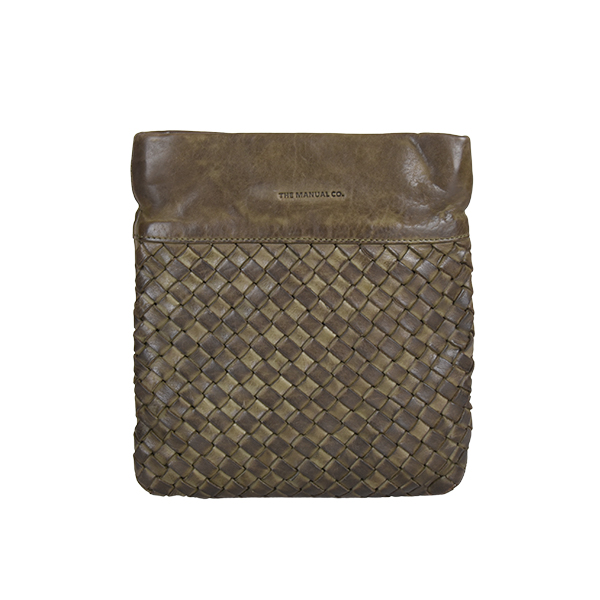
While many workshops disappeared in the age of industrial production, Manual preserved authentic leatherworking techniques and seamlessly married them with contemporary design. Take the Coffee with Milk collection, for example – bright, youthful, and stylish women’s handbags designed for today’s fast-paced world. Look closer, though, and you’ll see the mark of old craftsmanship in every detail.
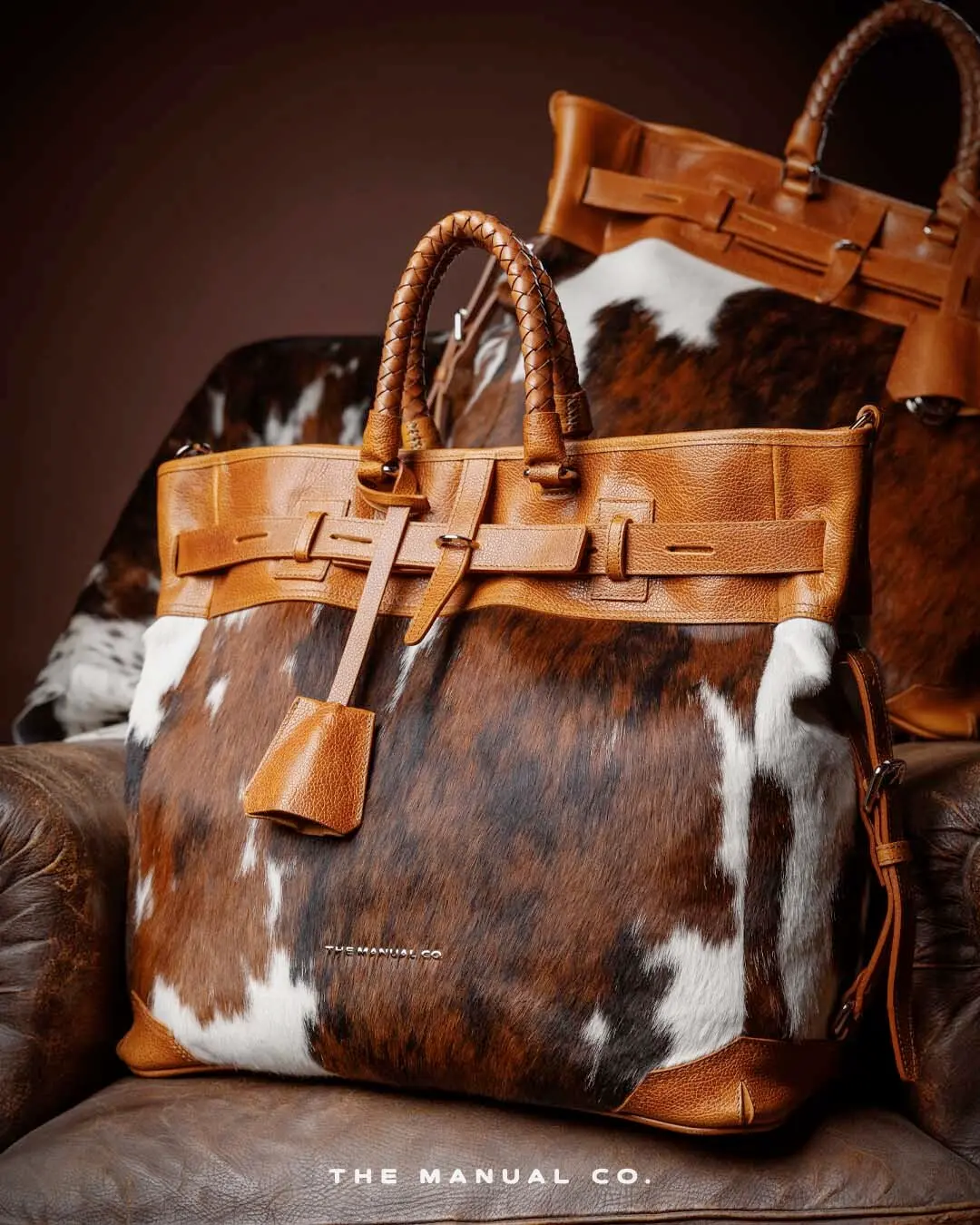
Manual leather goods are a bridge between the past and the present. A reminder that tradition is not a barrier to modern living, but its signature. In a world of short-lived, instant products, handmade goods that endure become true luxury. No two items are alike. Each is unique, forever marked by the hands that shaped it. That is the essence of Serbian traditional crafts, one that Manual works hard to keep alive.
Stitched with Love: How to Recognize Authentic Handmade Leather Products
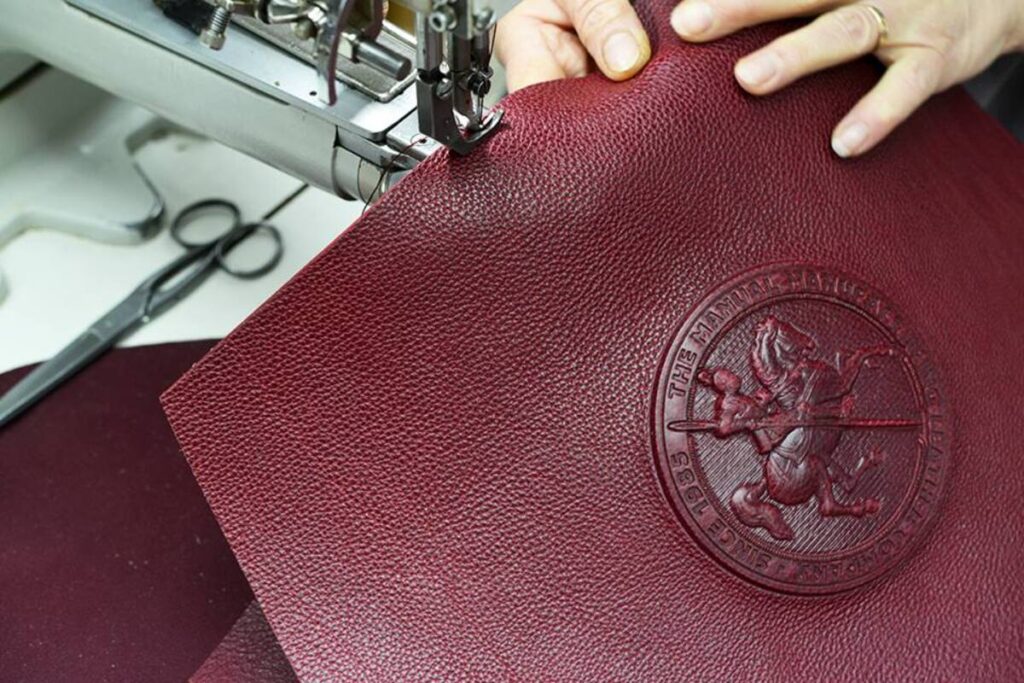
With markets flooded by mass-produced items, it can be hard to tell what is genuinely handmade and what is just branded as such. Here are some signs to help you recognize authenticity:
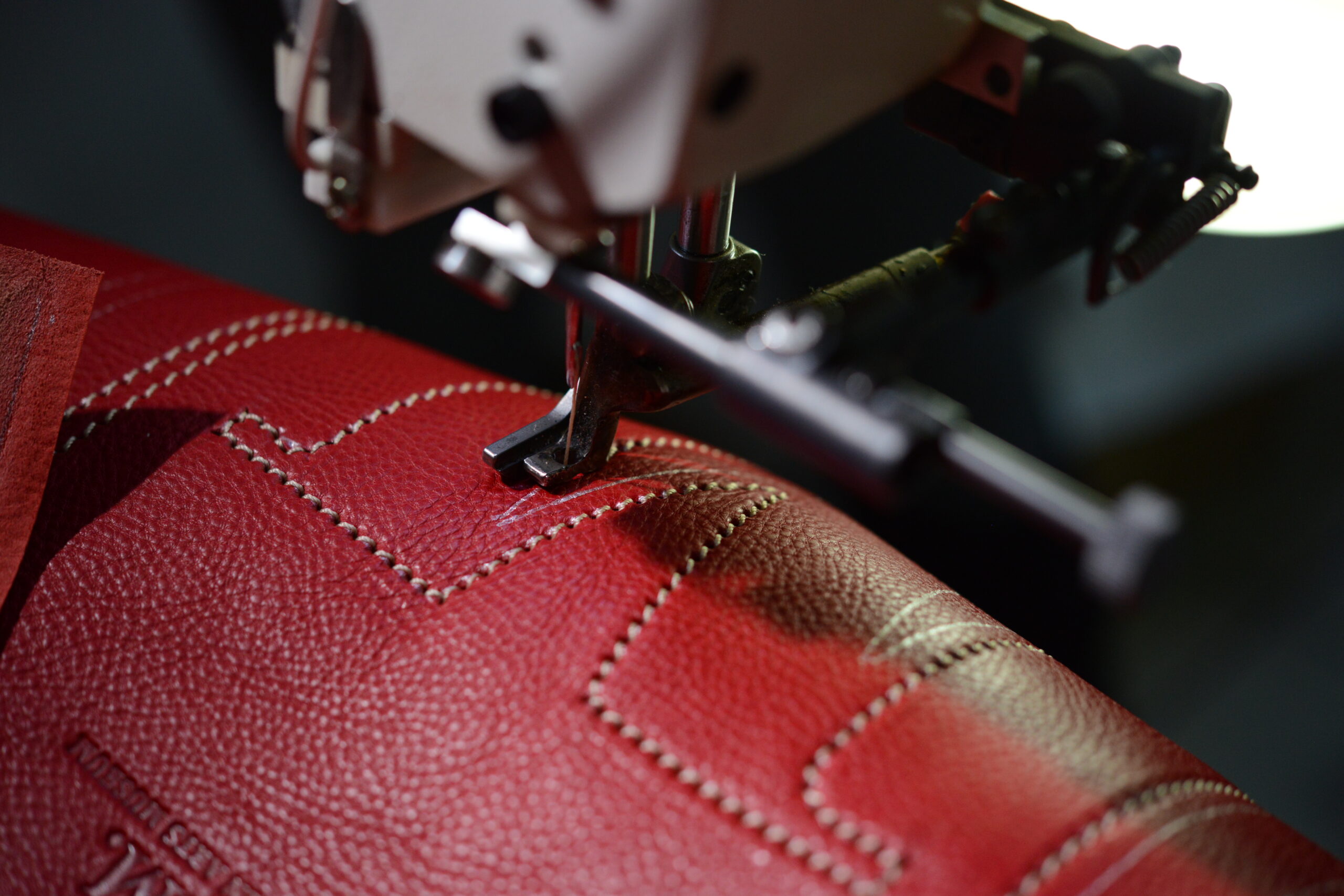
- Imperfections are proof of handwork: No two handcrafted products are identical. Small variations in stitching or edges aren’t flaws – they’re proof of human touch, not factory production.
- The scent of natural leather: Real leather has a distinct, rich smell that synthetics and other artificial materials can’t mimic.
- Traditional tools: True artisans still utilize tools and methods that have been passed down for generations. In the Manual workshop, some tools date back to the 19th century, adding character and value to every product.
- Durability and patina: Quality leather doesn’t wear out quickly. On the contrary, it ages gracefully, developing a patina that enhances its beauty over time.
The Manual Co.: Guardian of Serbian tradition
Manual is more than a company – it is a brand that stands for resilience, quality, love for tradition, and dedication to preserving Serbian craftsmanship. Our workshop proves that tradition can be modern, and that old skills can create products that thrive in today’s markets. Our 40-year story, woven from leather, thread, and passion, is proof that real value never fades.
Though Manual has evolved over the years, it has stayed true to its roots. Handmade manufacturing processes, traditional tools, and century-old techniques remain the foundation of our work. Every piece in our collection carries the spirit of the past while meeting the needs of modern life. If you wonder how you can help preserve Serbian heritage, the answer is simple: choose handmade. Choose legacy. Choose Manual.
When you buy a Manual leather bag, jacket, or accessory you’re not just purchasing a unique product – you’re investing in the survival of tradition and culture. Supporting traditional crafts means supporting authenticity, sustainability, and timeless quality. In a world that never stops, perhaps the greatest luxury is to pause, breathe in the scent of natural leather, run your fingers over a hand-stitched seam, and know that what you hold is more than just another product.